
Living landscapes are becoming the defining infrastructure of climate resilience. Yet we still understand only a fraction of how they function.
NWR SYSTEM
Ecological Observation Architecture for Living Landscapes
Understanding living landscapes before transforming them.
Observe.
Understand.
Regenerate.
⸻
Healthy landscapes regulate water, biology, energy and resilience through countless ecological interactions occurring beneath the surface.
NWR SYSTEM was developed to observe these living processes before intervention, creating a scientific observation architecture for the landscapes of the future.
Living Landscapes Intelligently Observed
Living Landscapes Intelligently Observed
NWR SYSTEM is an ecological observation architecture developed to study how living landscapes organize hydrology, soil biology, ecological resilience and biosphere processes across space and time.
Rather than viewing landscapes as static agricultural surfaces, NWR SYSTEM approaches them as dynamic living systems continuously regulating water, nutrients, biodiversity and climate resilience.
Soil as Infrastructure
Soil is not a resource.
Soil is infrastructure.
Every resilient landscape depends upon an invisible ecological infrastructure beneath the surface.
Living soils regulate:
• water movement
• nutrient cycling
• microbial activity
• vegetation dynamics
• carbon storage
• ecological resilience
Understanding this living infrastructure is one of the defining scientific challenges of the coming decades.
Why NWR SYSTEM
NWR SYSTEM was originally inspired by the principle of Natural Water Retention. Today it has evolved into a broader ecological observation architecture connecting hydrology, living soils and biosphere intelligence.
"Every observed landscape becomes part of a continuously growing ecological observatory."
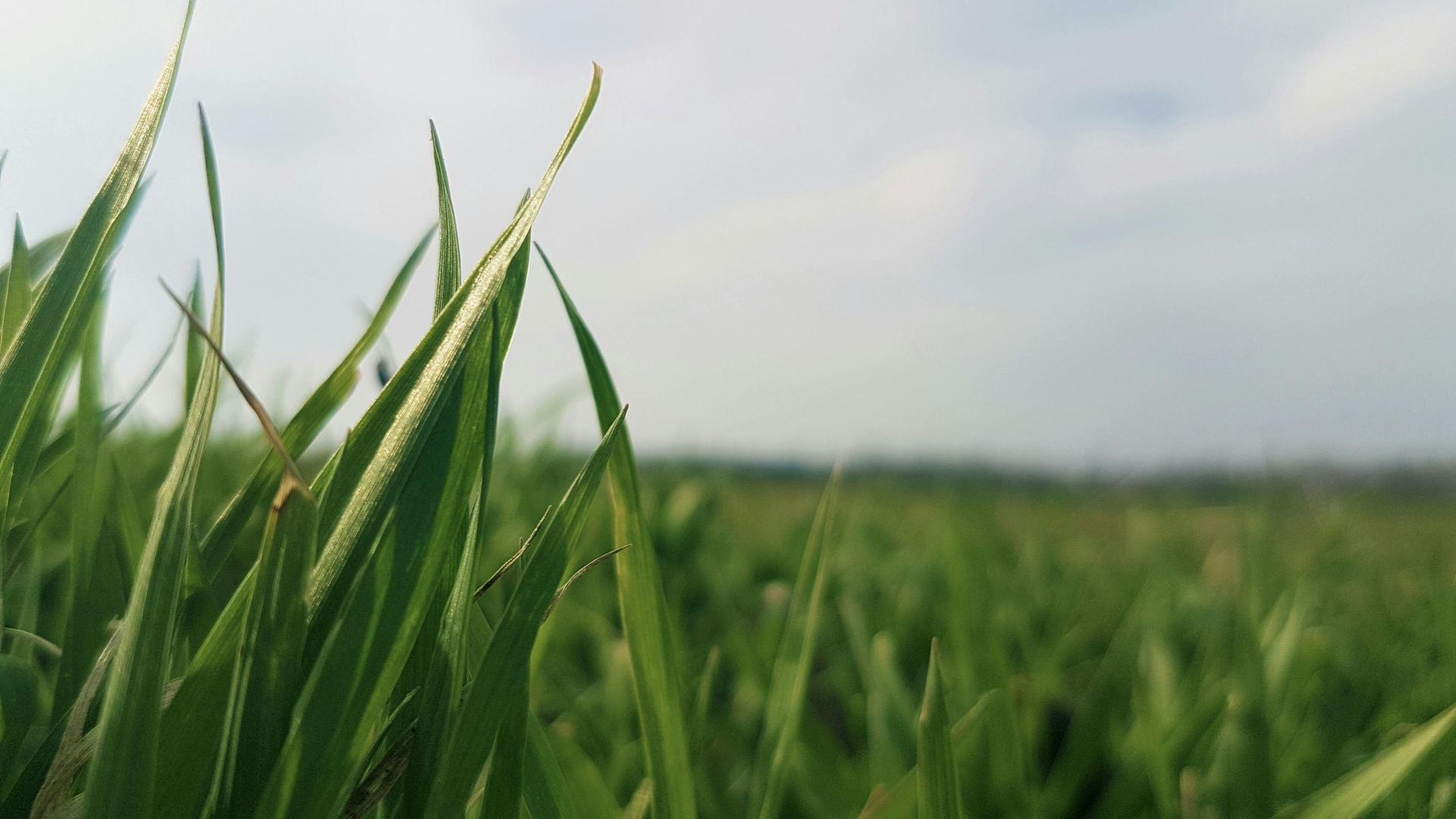
FIELD EXPERIENCES
Every landscape contains ecological interaction waiting to be observed. NWR SYSTEM transforms field observation into a visual and immersive landscape experience through hydrology, drone monitoring and ecological mapping.
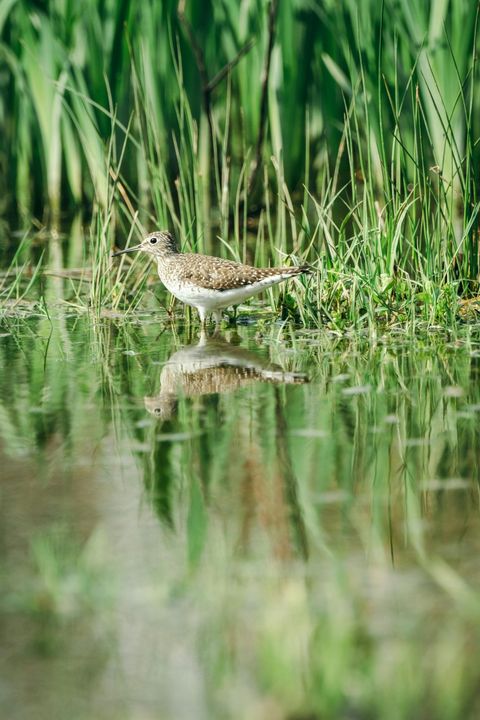
WETLAND OBSERVATION
Hydrology • Reed Systems • Water Retention
Observe how wetlands, reed zones and living soils interact to slow water movement and support infiltration across the landscape.
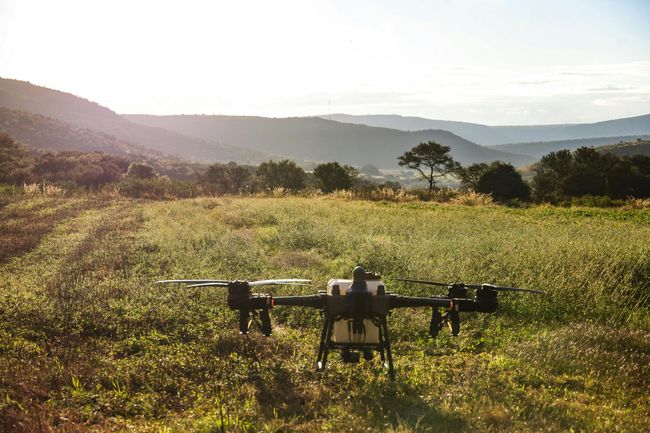
DRONE FIELD MONITORING
Aerial Observation • Landscape Mapping • Seasonal Change
Drone imagery reveals hydrological structures, vegetation patterns and ecological transitions throughout the pilot landscapes.

LIVING SOIL SYSTEMS
Humus • Root Structures • Biological Activity
Explore how soil biology, organic matter and grazing landscapes contribute to ecological resilience and water buffering capacity.